
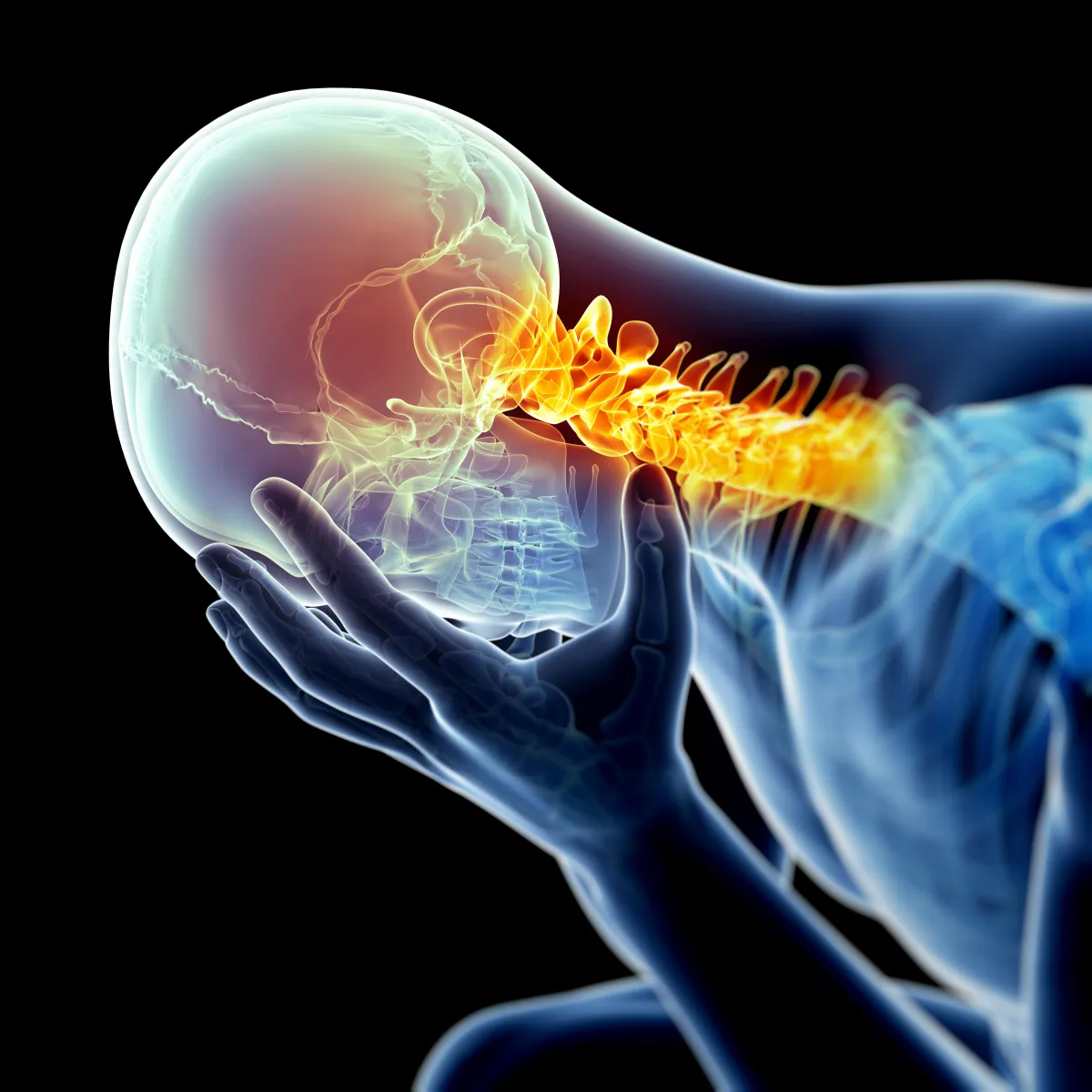
Pain Relief Resources for Louisville, KY
Learn what’s really causing your pain—and how to fix it naturally.
We created these resources to help you better understand your body,
your pain, and your options—so you can make informed decisions about your health.
Recent blog posts

5 Signs Your Pain Is Coming From Compensation Patterns

5 Signs Your Pain Is Coming From Compensation Patterns
Have you ever treated the same pain over and over again, only to have it return weeks or months later?
If so, the problem may not be where the pain is located.
Many chronic pain conditions are driven by compensation patternsmovement strategies your body develops after injury, stress, repetitive motion, or poor movement habits.
At Pain & Performance Solutions, we frequently see clients who have spent months or years chasing symptoms without addressing the root cause.
Here are five signs your pain may actually be coming from compensation patterns.
What Are Compensation Patterns?
Compensation patterns occur when the body adapts to dysfunction somewhere in the movement system.
When one muscle, joint, or movement pattern is not functioning properly, another area often takes over the workload.
Over time, these compensations can create pain, tightness, weakness, and recurring injuries.
The area that hurts is often not the area causing the problem.
Sign #1: Your Pain Keeps Coming Back
Perhaps the biggest clue is recurring pain.
You stretch.
You rest.
You get a massage.
You feel better for a while.
Then the pain returns.
If treatment provides temporary relief but never fully resolves the problem, there's a good chance an underlying compensation pattern has not been identified.
Sign #2: The Pain Moves Around
Do you notice that your pain changes locations?
One month it's your lower back.
A few weeks later it's your hip.
Then your knee starts bothering you.
Compensation patterns often create a chain reaction throughout the body.
As different tissues become overloaded, symptoms may appear in different places even though the underlying dysfunction remains the same.
Sign #3: You Always Feel Tight
Many people believe chronic tightness means they need more stretching.
In reality, muscles often become tight because they are working too hard.
When a muscle compensates for weakness elsewhere, it may remain constantly activated.
Stretching can temporarily reduce the sensation of tightness, but unless the underlying dysfunction is addressed, the tightness usually returns.
Sign #4: You've Tried Multiple Treatments Without Lasting Relief
Many clients come to us after trying:
Physical therapy
Chiropractic care
Massage therapy
Injections
Stretching programs
Strengthening exercises
These treatments can be valuable, but if the root cause remains unaddressed, symptoms often persist.
The goal isn't simply reducing pain. The goal is understanding why the pain developed in the first place.
Sign #5: Everyday Activities Trigger Symptoms
Compensation patterns often show up during normal activities such as:
Walking
Climbing stairs
Lifting objects
Reaching overhead
Exercising
Activities that should feel natural become uncomfortable because the body is relying on inefficient movement strategies.
When movement quality improves, these activities often become easier and less painful.
How We Identify Compensation Patterns
At Pain & Performance Solutions, we use movement assessments and Neurokinetic Therapy® to uncover the hidden dysfunctions contributing to pain.
Rather than focusing only on the painful area, we evaluate how your entire body is working together.
This allows us to identify:
Overactive muscles
Underactive muscles
Faulty movement patterns
Compensation strategies
Potential root causes
The result is a treatment plan designed to address the source of the problem rather than simply managing symptoms.
When Should You Seek Help?
If any of these signs sound familiar, it may be time for a more comprehensive evaluation.
The sooner compensation patterns are identified, the easier it is to restore efficient movement and reduce stress on the body.
How Pain & Performance Solutions Can Help
Our root-cause approach helps clients understand why their pain developed and what needs to change to create lasting improvement.
Whether you're dealing with back pain, knee pain, shoulder pain, sciatica, or recurring injuries, identifying compensation patterns may be the missing piece.
Ready to Find the Root Cause?
You don't have to keep chasing symptoms.
Schedule a Free Discovery Visit with Pain & Performance Solutions today.
📍 Louisville, KY
📞 502-276-7222
Let's uncover what's really driving your pain and create a plan for lasting relief.

Book Your Free
Discovery Session
No pressure. No obligation. Just clarity
In your 30-minute session, you’ll:
✔ Get clear on what’s actually causing your pain
✔ Understand your options
✔ Know if we’re the right fit for you
How It Works
1. Fill out a quick form
2. We’ll reach out to learn more about your situation
3. Schedule your free session
Call Us
For immediate assistance or to speak directly with one of our experts, feel free to give us a call.
(502) 276-7222
Visit Us
Drop by our shop to receive personalized service and discuss your needs face-to-face.
9900 Shelbyville Rd Suite 1A, Louisville KY 40223
E-mail Us
Have a question or need more information? Send us an email, and we'll get back to you promptly with the details you need.